


-

Add: HeBei ShengShi HongBang Cellulose Technology CO.,LTD.
-

Email
13180486930@163.com -

CONTACT US
+86 13180486930
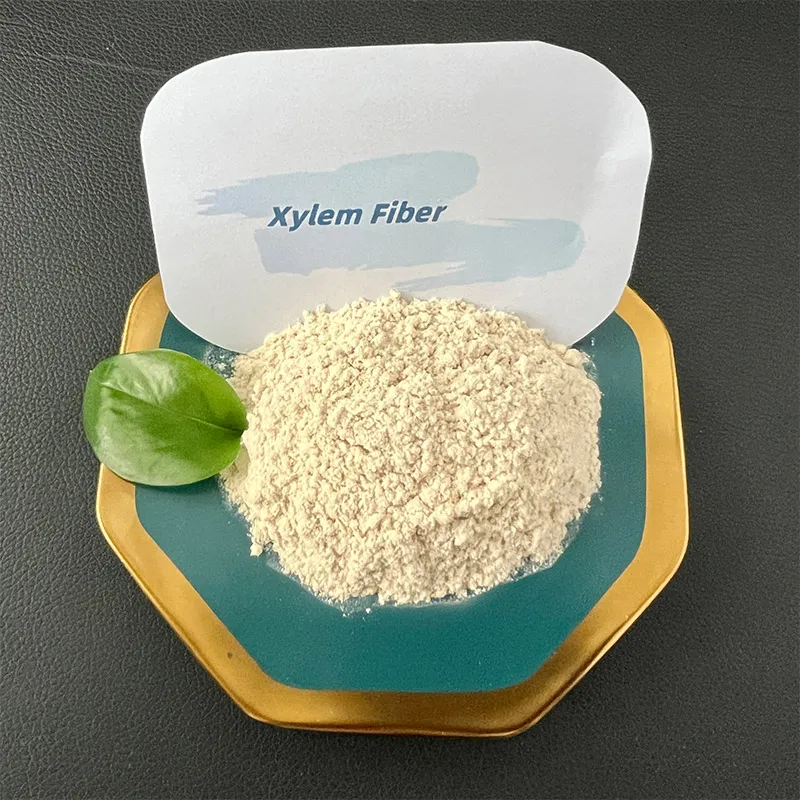
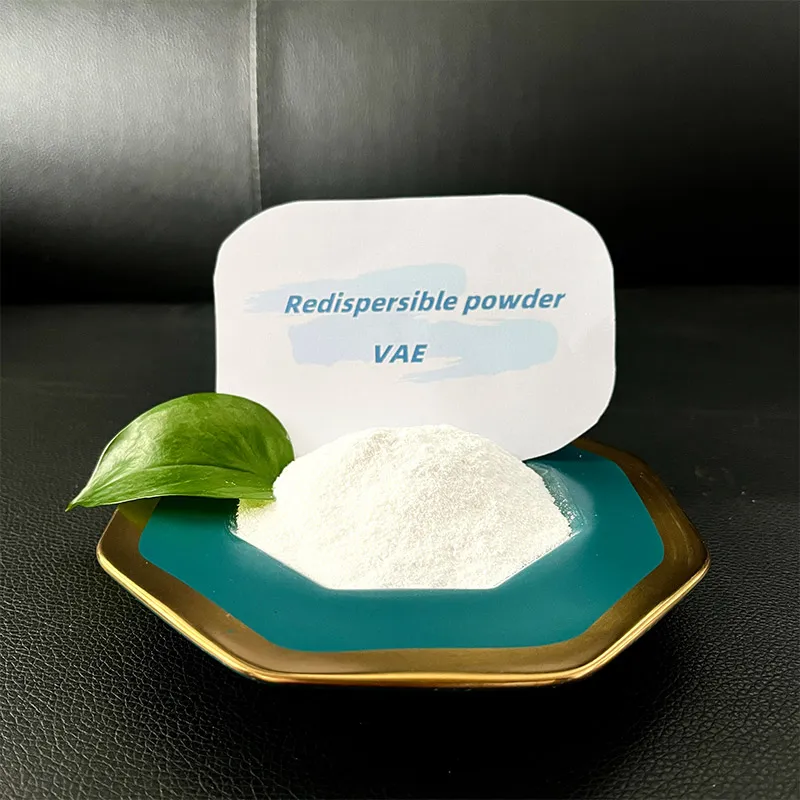

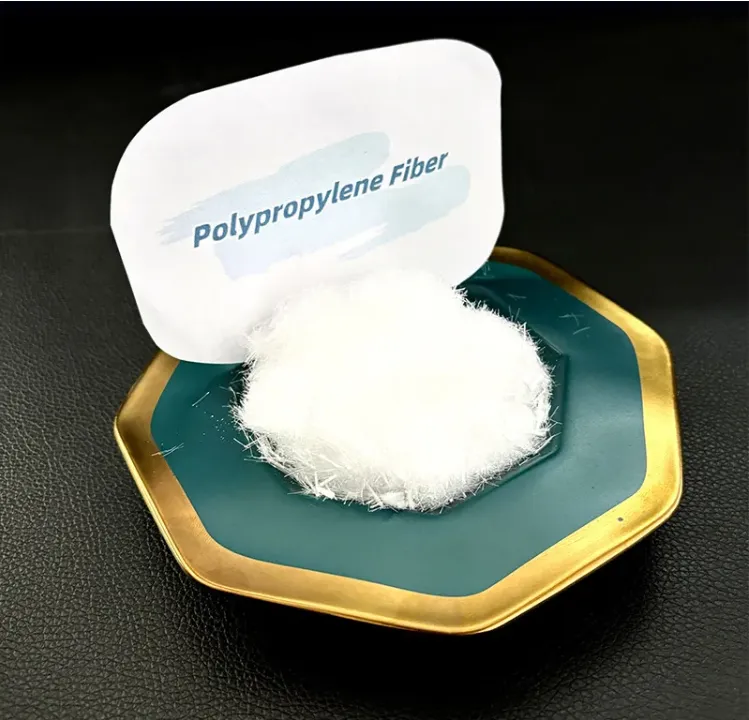


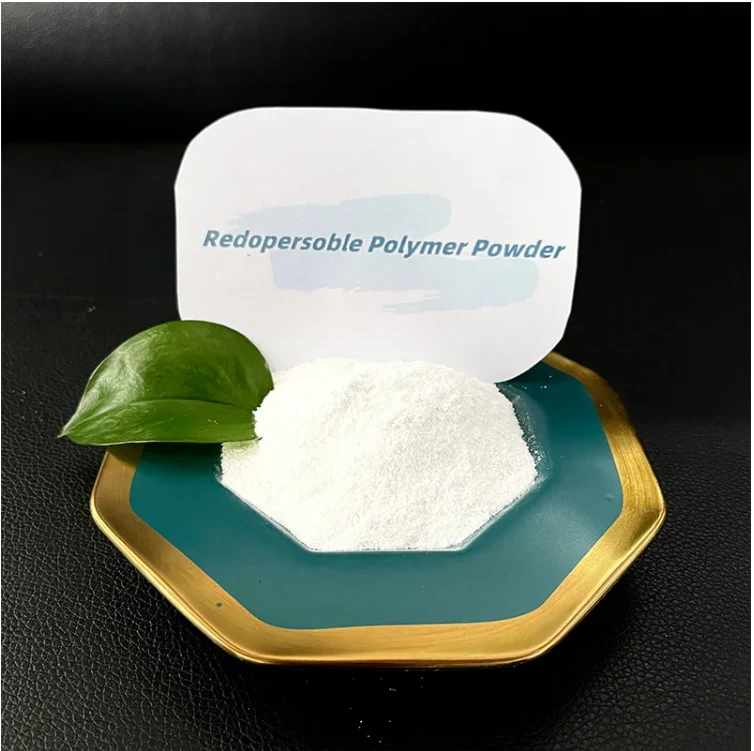
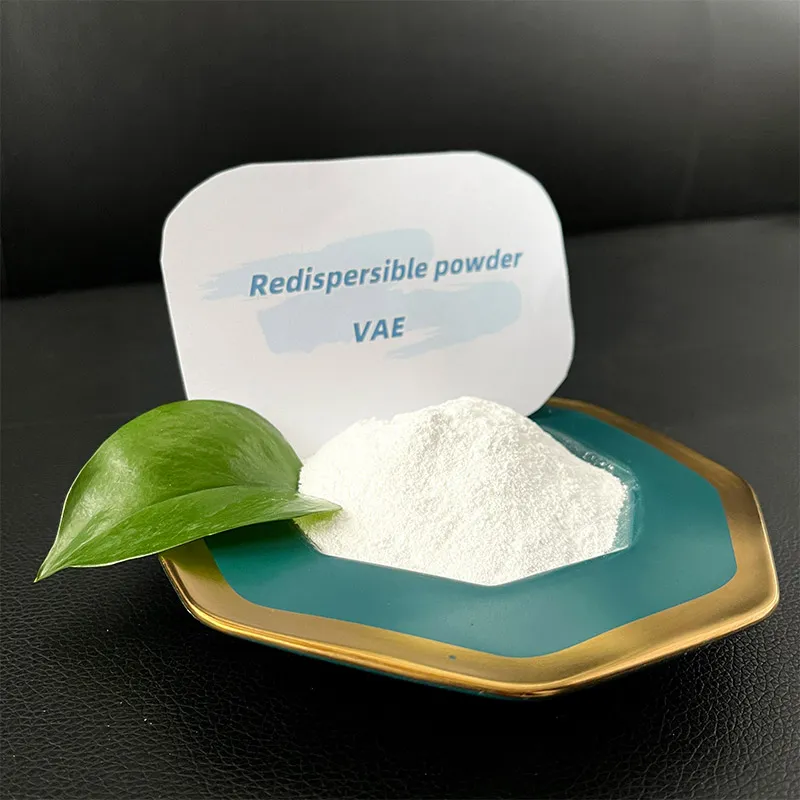
Redispersible Emulsion Powder is a key solution in the chemical industry industry, specifically within fine chemicals and Building Chemicals. This article explores how HeBei ShengShi HongBang Cellulose Technology CO.,LTD. supports professionals with durable, high-performance products, and explains why this product is an ideal choice for businesses in these sectors. Table of Contents Redispersible Emulsion Powder Overview Benefits & Use Cases of Redispersible Emulsion Powder in Building Chemicals Cost, Maintenance & User Experience Sustainability & Market Trends in chemical industry Conclusion on Redispersible Emulsion Powder from HeBei ShengShi HongBang Cellulose Technology CO.,LTD. Redispersible Emulsion Powder Overview Redispersible Emulsion Powder (often called redispersible latex powder, VAE redispersible powder, or simply redispersible powder) is a free‑flowing polymer powder produced by spray-drying a waterborne emulsion—most commonly a vinyl acetate–ethylene (VAE) copolymer stabilized with a protective colloid. When mixed with water in dry-mix mortars, the polymer re-forms a latex that coalesces into a tough, flexible film within the cement or gypsum matrix. This boosts adhesion, flexibility, crack resistance, abrasion resistance, and overall durability in Building Chemicals such as tile adhesives, renders, ETICS basecoats, self-leveling underlayments, and repair mortars. Relevance: In the chemical industry’s fine chemicals segment, Redispersible Emulsion Powder is a functional binder enabling consistent, job-site friendly dry-mix systems with improved open time, workability, and long-term performance. Technical background: Key levers include polymer glass transition (Tg) and minimum film-forming temperature (MFFT), particle size distribution for fast wetting, and compatibility with cement hydrates and calcium ions—crucial for adhesion and flexibility balance in mortars. Reliable source: HeBei ShengShi HongBang Cellulose Technology CO.,LTD. manufactures application-focused polymer powder grades and provides formulation support to align performance with standards common to tile adhesives, renders, and gypsum-based systems. Benefits & Use Cases of Redispersible Emulsion Powder in Building Chemicals In Building Chemicals, Redispersible Emulsion Powder is the go-to organic binder for high-performance dry-mix products. It enhances adhesion to cementitious and mineral substrates, raises deformability for crack mitigation, and improves water resistance without compromising workability. Typical applications include cementitious tile adhesives and grouts, ETICS/EIFS adhesive and basecoat mortars, skim coats, gypsum plasters, self-leveling compounds, flexible waterproofing slurries, and patching mortars. By selecting the right VAE grade, formulators can tailor open time, tensile adhesion after heat and water immersion, slip resistance, and smooth troweling. Applications: C1/C2 tile adhesives, thermal insulation systems (ETICS), interior skim coats, gypsum jointing, and self-leveling underlayments (SLUs) benefit from robust polymer film formation and cohesion within the mortar matrix. Advantages: Strong adhesion on low-absorbent tiles, improved flexibility and crack-bridging, better wet adhesion and aging resistance, low VOC profile, easy dosing and storage compared with liquid latex. Expertise: HeBei ShengShi HongBang Cellulose Technology CO.,LTD. combines polymer powder know-how with complementary cellulose ethers for synergistic water retention, workability, and anti-sag behavior—helping B2B partners streamline formulations and scale reliably. Explore product details at the product page . Cost, Maintenance & User Experience Total cost of ownership with Redispersible Emulsion Powder is driven by logistics, dosing efficiency, and field reliability. Compared with liquid latex, polymer powder ships without added water, helping reduce freight and eliminating freeze–thaw risk and drum handling. It enables one-bag dry-mix solutions, simplifying inventory and job-site preparation. With appropriate addition levels selected via ladder trials, formulators can balance adhesion, flexibility, and cost-in-use while lowering the risk of callbacks due to slip, poor wet adhesion, or cracking. Durability and ROI: Strong polymer film formation supports long-term adhesion and cohesive strength, contributing to fewer repairs and a better lifecycle ROI in tile setting, ETICS, and floor leveling systems. User experience: B2B users value consistent wetting, free-flowing powder, and predictable workability. Best practices include storing in dry conditions, adding to the dry blend before water, and piloting 1–3+% addition levels (application-dependent) to fine-tune performance vs. cost. Sustainability & Market Trends in chemical industry Sustainability is reshaping Building Chemicals. Redispersible Emulsion Powder supports low-VOC, waterborne formulations and enables dry-mix products with efficient transport and storage—reducing water weight moved through the supply chain. As regulations tighten around emissions and material transparency, the shift toward high-performance, lower-emission mortars and plasters accelerates, especially in energy-efficient envelope systems like ETICS. Parallel trends—industrialized construction, prefabrication, and consistent job-site quality—favor powder binders that deliver reproducible results. Regulatory and growth dynamics: Green building codes, voluntary certifications, and demand for durable, low-maintenance façades are expanding the use of polymer-modified mortars. Forward-thinking supplier: HeBei ShengShi HongBang Cellulose Technology CO.,LTD. emphasizes formulation efficiency and compatibility—pairing redispersible latex powder with cellulose ethers for lower dosage targets and dependable performance, aligning with the industry’s eco-conscious direction. Conclusion on Redispersible Emulsion Powder from HeBei ShengShi HongBang Cellulose Technology CO.,LTD. For B2B decision makers in the chemical industry’s fine chemicals and Building Chemicals sectors, Redispersible Emulsion Powder is a practical, high-impact binder that elevates mortar performance, consistency, and logistics efficiency. HeBei ShengShi HongBang Cellulose Technology CO.,LTD. delivers dependable polymer powder solutions and technical support to accelerate formulation success—whether you’re optimizing tile adhesives, ETICS systems, or floor products. Contact us: email: 13180486930@163.com — Visit our website: https://www.sshbhpmc.com
- 40000tons

Production
- 20+years

Experience
- 5000+㎡

Acreage

-
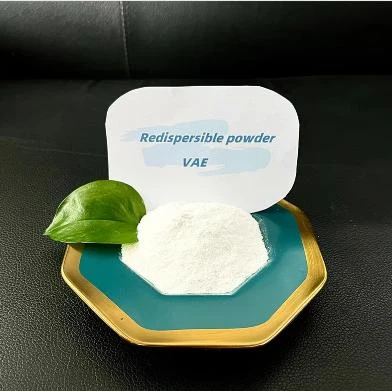
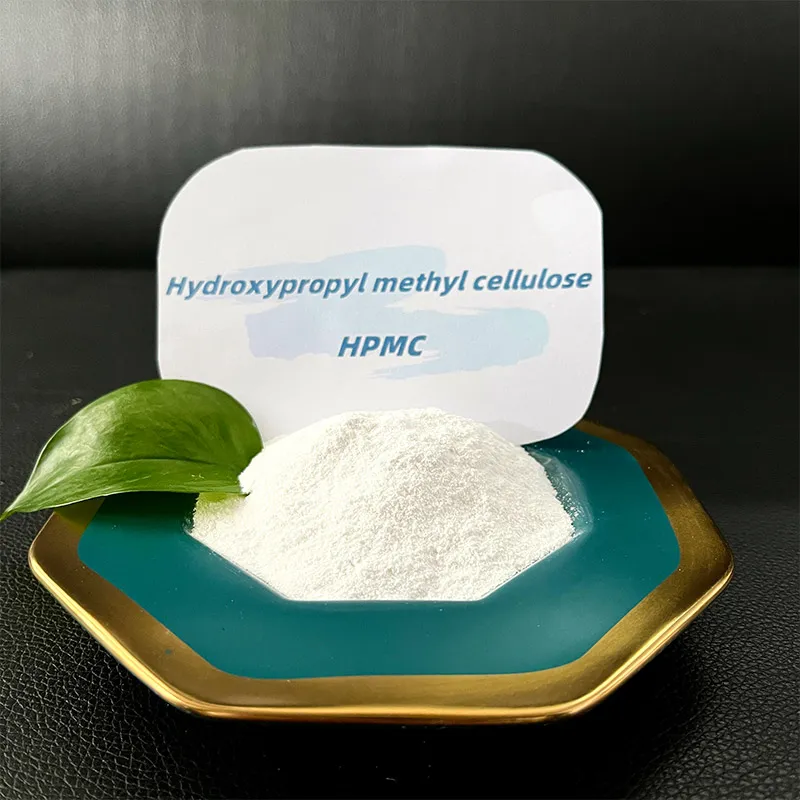
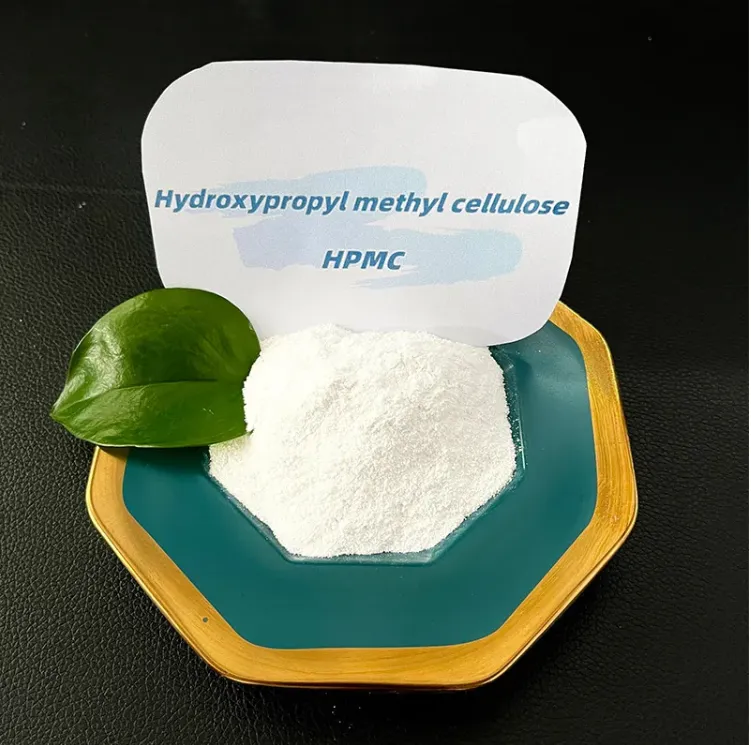
Understanding the Properties of Hydroxypropyl Methylcellulose Hydroxypropyl methylcellulose (HPMC) is a widely used polymer in various industries, including pharmaceuticals, food, cosmetics, and construction. This cellulose derivative is obtained through the modification of natural cellulose with hydroxypropyl and methyl groups, which enhances its solubility and utility. Understanding the properties of HPMC is crucial for its effective application in different formulations. Chemical Structure and Composition HPMC is a non-ionic, water-soluble polymer. Its chemical structure consists of a cellulose backbone with hydroxypropyl and methyl groups attached. The proportion of these substituents can be varied during synthesis, leading to HPMC products with different viscosity and gel-forming properties. The degree of substitution affects many characteristics, including solubility, thermal stability, and mechanical properties. Physical Properties One of the most significant physical properties of HPMC is its solubility in water. HPMC can dissolve in cold water, forming a transparent, viscous solution. The ability to form gels at higher concentrations is another notable characteristic. The viscosity of HPMC solutions can vary widely based on its molecular weight and concentration, which can be tailored to meet specific requirements in various applications. Typically, HPMC is available in grades that provide a range of viscosities that suit different needs, from low viscosity for easy flow to high viscosity for thicker formulations. Thermal Stability HPMC exhibits excellent thermal stability, making it suitable for processing conditions that involve high temperatures. It does not decompose easily under heat, which is important for applications such as hot-melt adhesives and coatings. The thermal behavior of HPMC can be further enhanced with additives, allowing for more versatile applications across various industries. Rheological Properties The rheological properties of HPMC solutions are of great interest, particularly in the pharmaceutical and food industries. HPMC behaves as a pseudoplastic or shear-thinning material, meaning that its viscosity decreases with an increase in shear rate. This property is advantageous during processing, as it allows for easier application and handling without compromising the formulation's final performance. When at rest, the polymer's viscosity increases, providing stability to the product. hydroxypropyl methylcellulose properties Role in Pharmaceutical Applications In the pharmaceutical industry, HPMC is commonly used as a binder in tablet formulations, as well as a disintegrant and controlled-release agent. Its ability to form gels and slow down drug release makes it highly valuable in developing extended-release formulations. HPMC is also utilized in the production of film coatings for tablets due to its film-forming properties, which provides a barrier to moisture and light, ultimately protecting the active ingredients inside. Applications in Food and Cosmetics HPMC is recognized for its emulsifying and thickening properties, allowing it to be widely used in food processing. It can enhance texture, stabilize emulsions, and improve the mouthfeel of various food products. In the cosmetic industry, HPMC is used as a thickening agent in creams and lotions, contributing to improved texture and stability. Biocompatibility and Safety HPMC is considered safe for use in food and pharmaceutical products. It is generally recognized as safe (GRAS) by the Food and Drug Administration (FDA), making it ideal for various applications. Its biocompatibility extends to being used in medical applications, such as in contact lenses and surgical products. Environmental Impact and Sustainability HPMC is derived from renewable cellulose, which adds to its appeal in an increasingly sustainability-focused market. Researchers are exploring additional eco-friendly production methods and applications to reduce the environmental footprint associated with conventional polymers. As industries strive for greener alternatives, HPMC stands out as a promising candidate due to its natural origins and biodegradability. Conclusion Hydroxypropyl methylcellulose is a versatile polymer with a wide range of properties that make it suitable for various applications across different industries. Its diverse functional characteristics, such as solubility, viscosity, thermal stability, and safety profile, highlight its importance in formulations from pharmaceuticals to food and cosmetics. As technology advances and the demand for sustainable materials grows, HPMC is poised to remain a key player in many sectors, offering innovative solutions that cater to modern needs. Understanding its properties allows industries to harness its potential effectively, making it an invaluable material in contemporary applications.
-
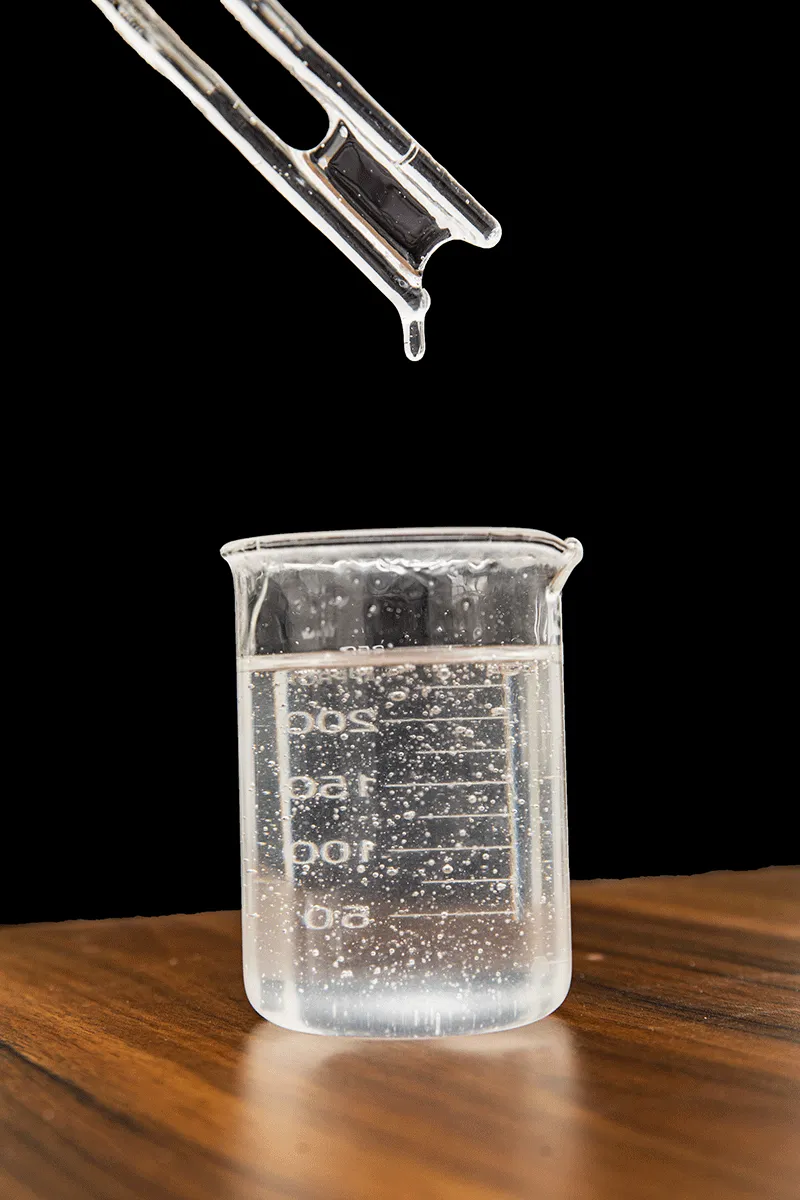
Navigating the Complex World of Rubber Powder Buyers Rubber powder has emerged as a crucial industrial material due to its versatility and eco-friendly properties. Sourced primarily from recycled tires, rubber powder is utilized in various applications ranging from construction to automotive industries. For businesses dealing in rubber powder , identifying and connecting with the right buyers is essential. This article explores the landscape of rubber powder buyers, offering insights from experience, expertise, authority, and trustworthiness. Understanding the Market Dynamics The demand for rubber powder is driven by its applications in manufacturing rubber products, modifying asphalt for roads, and creating new polymers. Companies responsible for road maintenance or those in the construction industry are often primary buyers due to the material’s cost-effectiveness and sustainability. Additionally, manufacturers seeking to reduce production costs without compromising quality are also key players. Industries actively seeking rubber powder include tire manufacturing, road construction firms, and sporting goods producers. Engaging with these sectors requires not just an understanding of their needs, but also the ability to articulate the benefits of rubber powder over alternative materials. Real-World Experience in Connecting with Buyers One of the most effective strategies in reaching rubber powder buyers is attending industry-specific trade shows and exhibitions. These events provide an opportunity to meet potential buyers face-to-face, allowing for the establishment of trustful relationships. Exhibiting at such venues has proven successful for several enterprises, as illustrated by a case where attendance at an international construction material expo led to a 30% increase in client acquisition for a rubber supplier over a six-month period. Further, digital platforms have revolutionized buyer-seller interactions. Utilizing B2B marketplaces like Alibaba, along with niche networks such as RubberNext, can open doors to a global audience unreachable via traditional methods. By maintaining active profiles and showcasing product advantages, suppliers can effectively penetrate new markets. Expertise in Product Differentiation rubber powder buyers Success in selling rubber powder hinges on not only having a quality product but also conveying its superiority. Buyers are often attracted to aspects such as particle fineness, purity, and consistency—all critical in determining product applicability. Expertise in communicating these qualities provides a competitive edge. Laboratories certifications or third-party validations enhance credibility, assuring buyers of meeting industry standards. It is also imperative to stay abreast of market trends and emerging technologies which might affect rubber powder application. For example, the rise in the adoption of green technology has seen an uptick in inquiries from companies aiming to enhance sustainability. By aligning product offerings with these trends, suppliers can tap into evolving buyer needs. Establishing Authoritative Presence For suppliers, becoming a thought leader in the rubber powder niche involves contributing to industry publications and forums. Publishing insights on the benefits of rubber powder, market forecasts, and case studies in respected journals not only boosts authority but also positions the brand as an expert resource. Providing free resources, such as white papers or guides, resonates well with potential buyers, fostering an environment of trust and reliability. Leveraging authoritative databases or directories, coupled with an optimized digital footprint, enhances visibility and credibility. Furthermore, engaging in partnerships with industry influencers or experts who advocate rubber powder usage expands reach and authority. Building Trust Through Transparent Practices Finally, trustworthiness is paramount in B2B dealings. Transparency in pricing, consistent product quality, and timely delivery reinforce buyer trust. Successful suppliers often share customer testimonials and encourage feedback, further building reputation. Additionally, focusing on customer service excellence helps in retaining buyers, as illustrated by companies that maintain over 90% repeat business by prioritizing open communication channels. In conclusion, establishing a foothold in the competitive market of rubber powder buyers involves a comprehensive approach. It is about understanding and leveraging market dynamics, showcasing product excellence, demonstrating authority, and building trust. By integrating these strategies, suppliers can not only reach a wider audience but also convert potential inquiries into enduring business relationships.
advantages
-

200000 Viscosities
Excellent product
We can produce pure products up to 200,000 viscosities
-

40000 tons
High yield
We don’t stop production all year round, and the annual output can reach 40,000 tons
-

24 hours
Quality service
We provide 24-hours online reception service, welcome to consult at any time
———— Inquiry Form
Schedule A services

-
 polyvinyl_acetate_powder
Oct . 25, 2025
In the world of construction and renovation, the search for the perfect plaster retarder has led man -
 tylose_hpmc
Oct . 25, 2025
Rubber powder, often identified by its industry code as Rubber Powder-821, is garnering attention fo -
 clear_polymer_powder
Oct . 25, 2025
Hydroxypropyl methylcellulose (HPMC) is an intriguing compound that has carved its niche in the prod


